
Heartworm, Flea & Tick Prevention


Heartworm, Flea & Tick Prevention
Out here, your dogs are family, athletes, and working partners. Protecting them from heartworm disease is one of the simplest and most critical steps you can take to keep them sound, healthy, and by your side.
Because Full Quiver brings veterinary care directly to your door or pasture, keeping your animals protected is straightforward and stress-free.
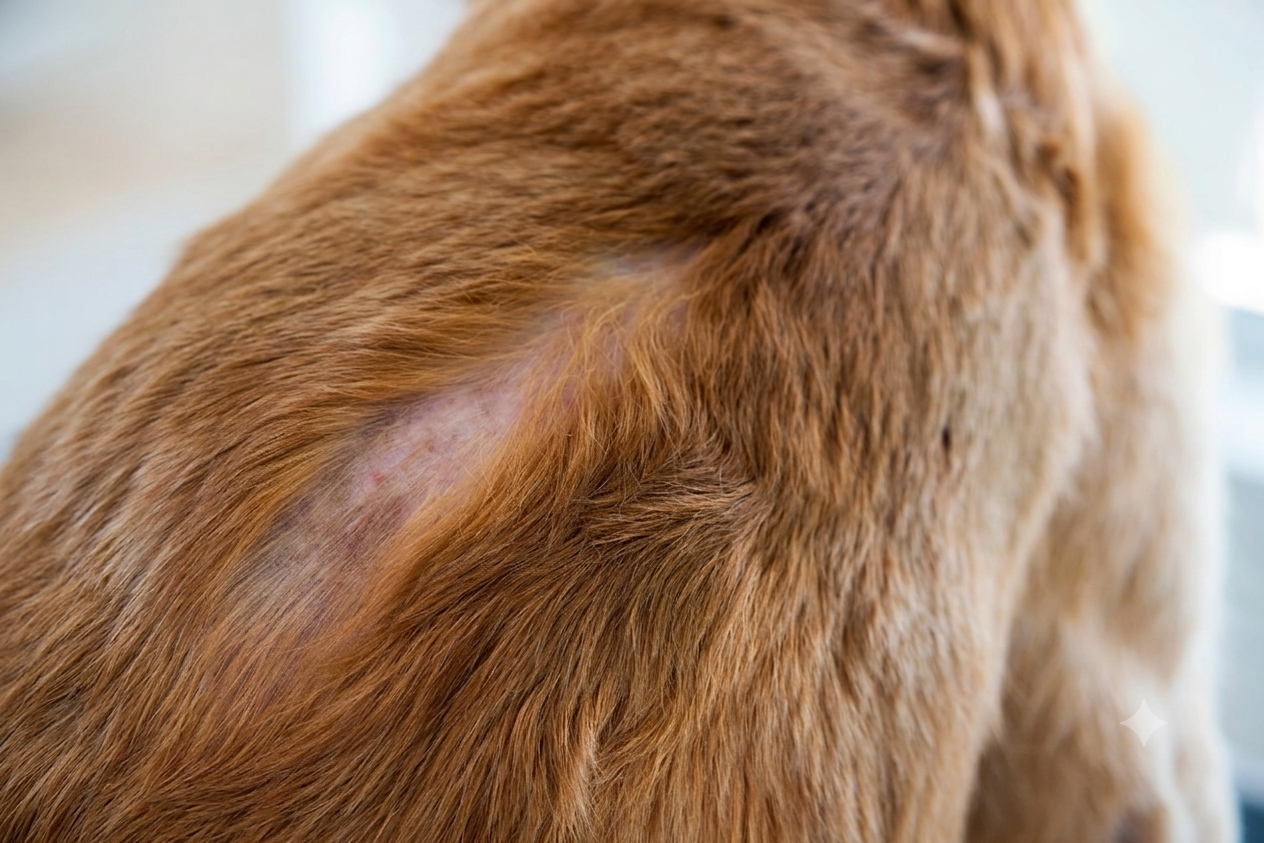
What is Heartworm Disease?
Heartworm disease is a serious and potentially fatal condition caused by parasitic worms that live in the hearts, lungs, and blood vessels of infected dogs. The disease is transmitted entirely through mosquito bites. A single bite from an infected mosquito can introduce microscopic larvae into your dog's bloodstream, where they slowly mature into adult worms over several months.
Why Annual Testing Matters
Even with regular preventative medication, regular testing is essential for your pet’s safety.
- Early Detection: Heartworm disease shows very few outward symptoms in its early stages. A simple blood test detects the presence of adult heartworms before permanent damage is done to the heart and lungs.
- Medication Safety: Giving heartworm preventative to a dog that is already positive for heartworms can cause severe, life-threatening allergic reactions.
- Prevention Guarantee: No preventative is 100% effective. Annual testing ensures your dog remains clear and that your prevention strategy is working exactly as it should.
The Full Quiver Approach
Dr. Crews provides complete heartworm screening and prevention as part of her mobile veterinary services:
- On-Site Blood Testing: A small blood sample is taken during your routine or preventative care visit. Results are processed quickly to give you immediate answers.
- Tailored Prevention Plans: Every dog's lifestyle is different. Dr. Crews will help you select the right preventative medication—whether your dog is a house pet, a guardian dog, or a working hound—ensuring consistent, year-round protection.
Signs Your Pet May Need Heartworm TestingI
t’s not always easy to spot early heartworm disease; regular testing is your best defense.If your dog or cat shows any of these signs, schedule a heartworm test as soon as possible:
- Persistent cough
- Lethargy or reluctance to exercise
- Rapid or labored breathing
- Sudden weight loss
- Fainting or weakness
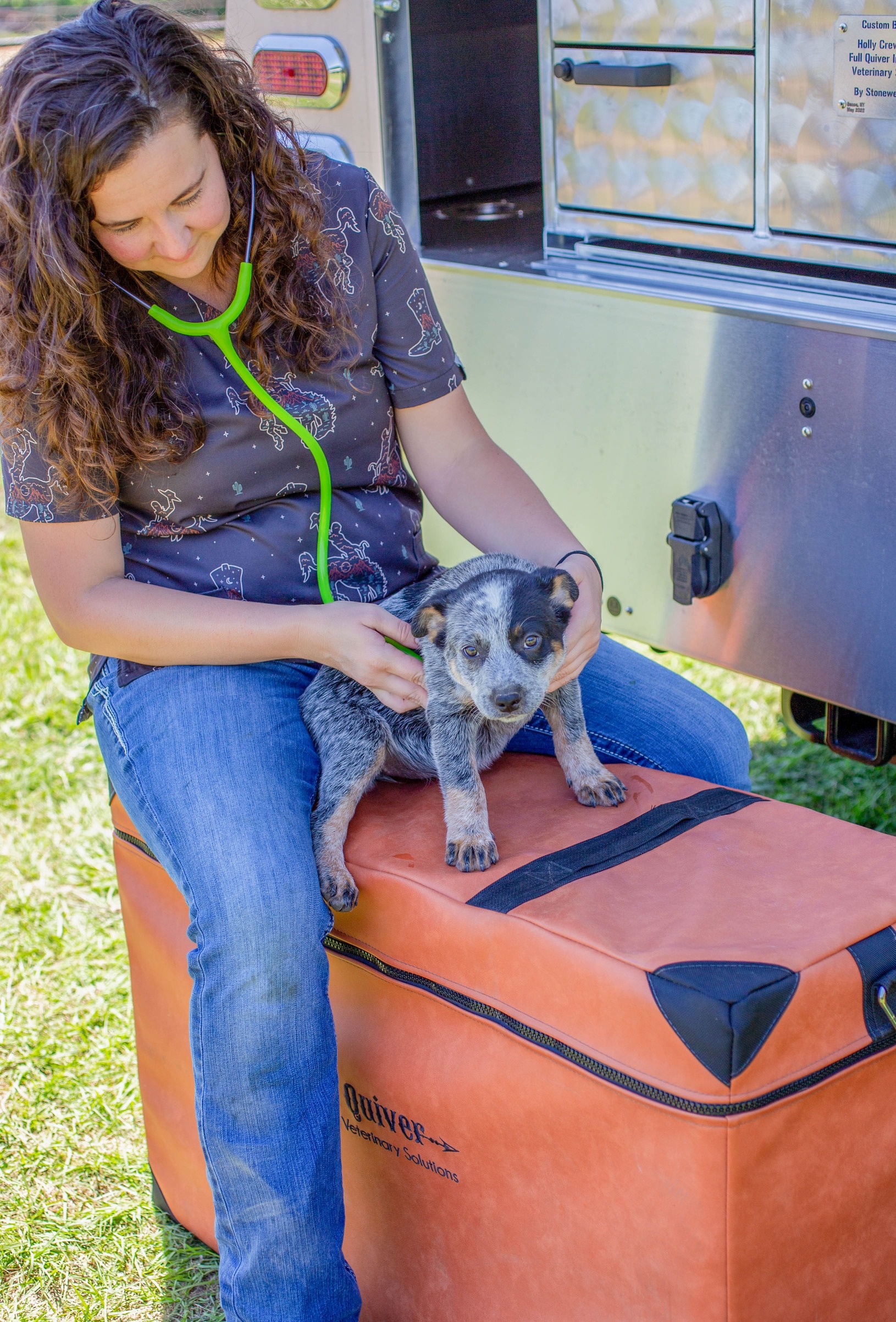
Why Heartworm, Flea & Tick Prevention Matters for Your Pet
Parasites can lead to serious health issues, including heartworm disease, Lyme disease, and skin infections. Preventive care helps protect your pet’s health, comfort, and quality of life.
Prevent Heartworm Disease
Heartworms can cause severe heart and lung damage. Prevention is far safer and more effective than treatment.
Protect Against Flea & Tick Risks
Fleas and ticks can transmit disease and cause irritation. Regular prevention reduces exposure and risk.
Improve Daily Comfort
Prevention helps avoid itching, skin issues, and discomfort caused by infestations.
Signs Your Pet May Need Parasite Prevention
Watch for these signs:
- Frequent scratching, biting, or licking
- Visible fleas or ticks
- Lethargy or reduced appetite
- Coughing or breathing issues
- Skin irritation or sores
If you notice these symptoms, call (417) 281-4406 to schedule a mobile visit.
How Often Should Your Pet Receive Parasite Prevention?
Most pets benefit from year-round heartworm and flea/tick prevention. Frequency depends on species, lifestyle, and exposure risk.
If you’re unsure, call for guidance on the best plan for your pet.
Practice Highlights
- Integrative approach with prescription and holistic options
- Care for dogs, cats, horses, and livestock
- Personalized prevention plans based on lifestyle and risk
- Mobile, on-site service for convenience
- Practical, education-focused support for long-term care

Frequently Asked Questions
How often does my dog need to be tested for heartworms?
Dr. Crews recommends testing every 12 months, even if your dog is on year-round preventative medication. This ensures the prevention is working perfectly and catches any accidental missed doses before the disease can advance.
My dog stays entirely outdoors/indoors. Do they still need testing and prevention?
Yes. Mosquitoes easily come inside houses, barn stalls, and porches. Out in the field or in the yard, working dogs and guardian animals face constant exposure. Because a single bite from an infected mosquito is all it takes, every dog needs year-round protection regardless of where they spend their time.
Can cats get heartworms?
Yes, cats can get heartworms, though the disease looks different in felines. While adult worms rarely survive to full maturity in a cat's heart, even the immature larvae can cause severe respiratory issues (known as Heartworm Associated Respiratory Disease, or HARD). Dr. Crews can discuss the best preventative options for your barn or house cats during a visit.
What happens if my dog misses a dose of preventative medication?
If you miss a dose by more than a week or two, contact Full Quiver immediately. Do not simply restart the medication if multiple months have been missed. Dr. Crews will advise you on the safest timeline to test your dog and get them back on a regular prevention schedule.
Schedule an Exam
Do not let mosquitoes compromise your pet's health. Contact Full Quiver Integrative Veterinary Solutions today to schedule your visit.