Spring Herd Checkups: Mobile Integrative Care for Livestock

Spring Herd Checkups: Mobile Integrative Care for Livestock
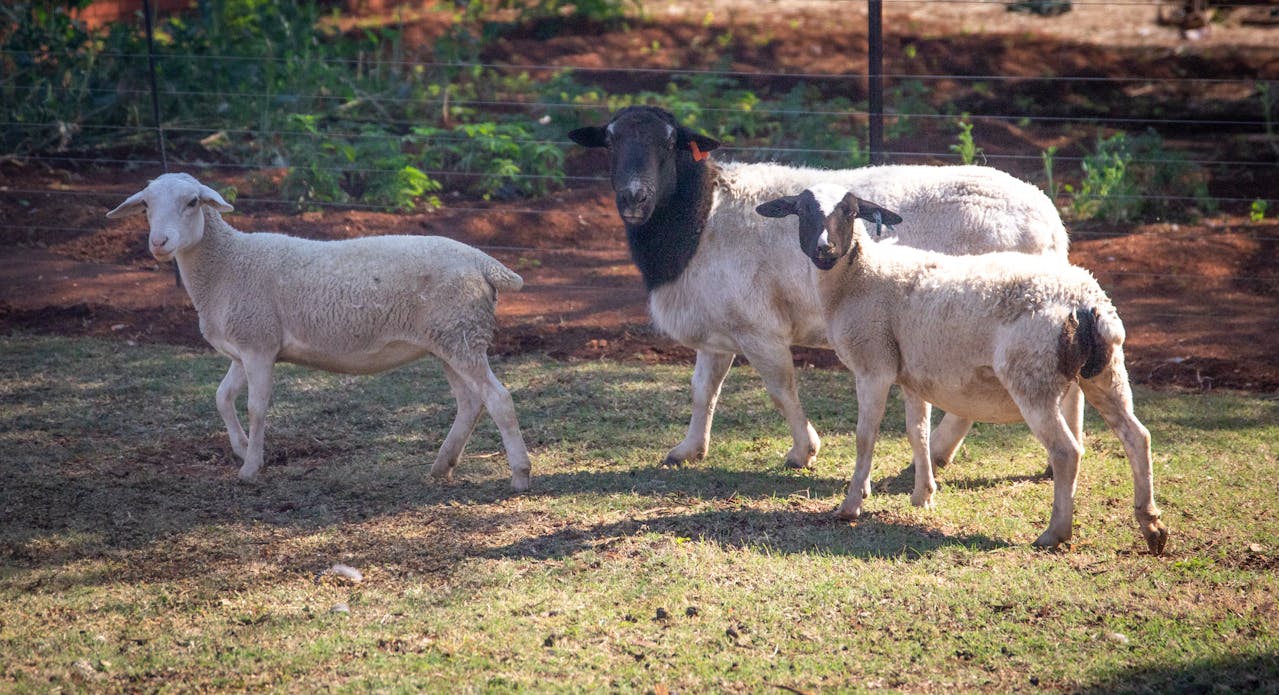
As spring arrives in southwest Texas, producers know it is time to get livestock ready for a productive season ahead. With changing weather, lush pastures, and the demands of calving and breeding, the health of your cattle, sheep, goats, and working animals is more important than ever. At Full Quiver Integrative Veterinary Solutions, we understand that making time for routine veterinary care can be challenging, especially when animals need to stay on the farm. That is why Dr. Crews comes directly to your barn, pasture, or working facility in Santo, TX, Granbury TX, Fairfield/Mexia TX, Godley TX, Hico TX and the surrounding communities. We offer comprehensive, integrative herd health exams that combine traditional veterinary medicine with advanced modalities such as acupuncture and chiropractic care. This approach helps prevent common springtime issues and supports optimal performance for your operation, whether you run a beef herd, manage breeding stock, or rely on working dogs and companion animals alongside your livestock.
In this post, you will learn how spring herd checkups delivered on-farm can identify health risks early, how integrative veterinary techniques improve animal wellbeing and productivity, and what steps you can take to prepare your animals for the busy season ahead. We will also explain why regular mobile veterinary visits throughout the spring are a vital investment in your operation's long-term success. If you are looking for convenient, expert care that comes to your gate, our farm call and ambulatory service ensures reduced handling stress for your animals and practical solutions tailored to your unique needs.
To explore the range of services we bring right to your operation, including mobile veterinary care for livestock and farm animals, read on for details about how we help keep your herd healthy all season long.
Recognizing When a Spring Herd Checkup is Needed
Timely herd health evaluations in the spring can make the difference between a smooth grazing season and costly setbacks. Producers should be alert to several signs that indicate the need for a comprehensive checkup. Common warning signs include unexplained weight loss in cows or bulls, reduced milk production in dairy animals, lameness or stiffness when moving across pastures, and any animals lagging behind the rest of the herd. Additionally, issues such as poor hair coat, persistent coughing, nasal discharge, changes in appetite, or signs of digestive upset such as scours in calves signal underlying problems that should not be ignored.
With the arrival of warmer weather and increased pasture access, spring also brings a higher risk of parasite infestations, footrot, pinkeye, and injuries from rough ground or fencing. Breeding animals may show signs of poor fertility, delayed cycling, or abnormal behavior that can affect overall herd performance. Working dogs or farm companion animals may exhibit reduced stamina, reluctance to work, or subtle changes in gait that suggest musculoskeletal discomfort.
Because many springtime illnesses develop gradually, regular observation and prompt attention to subtle changes are critical. Scheduling a herd health checkup as the season begins gives you the opportunity to catch these concerns early, before they become major problems.
Why Spring Herd Health Problems Occur
Spring is a time of transition for livestock operations in Texas. Rising temperatures, abundant rainfall, and the flush of new grass all play a role in animal health challenges. As herds move from winter hay feeding to fresh pasture, dietary changes can upset the digestive system, leading to issues like bloat or acidosis. Sudden shifts in weather, such as cool, wet spells, may contribute to respiratory diseases or foot problems due to muddy conditions.
Parasite burdens typically spike in the spring, with internal worms and external pests like ticks and flies becoming more active. Calving and lambing season also puts extra strain on dams and newborns, increasing the risk of complications such as retained placenta, uterine infections, or weak calves and lambs. In multi-species operations, disease transmission between animals can be a concern, especially if biosecurity is not strictly maintained.
Musculoskeletal issues often emerge as animals become more active on spring pastures. Old injuries, poor hoof care, and nutritional imbalances may result in lameness or stiffness, affecting both livestock and working dogs. Producers who rely on horses for ranch work or sport should also be aware of the increased risk of tendon and joint problems during the busy season.
Environmental stressors, including fluctuating temperatures and increased workload, can suppress immune function and make animals more susceptible to illness. By understanding these seasonal risks, you can take proactive steps to safeguard your herd's health.
Integrative Veterinary Solutions for Spring Herd Health
At Full Quiver Integrative Veterinary Solutions, our approach goes beyond traditional herd checks. Our mobile service brings a full spectrum of veterinary care directly to your operation, minimizing disruption and handling stress for your animals. Our comprehensive health exams assess body condition scores, reproductive status, lameness, dental health, and vaccination needs. We also perform on-farm pregnancy checks to support your breeding program and provide practical recommendations for nutrition and parasite control.
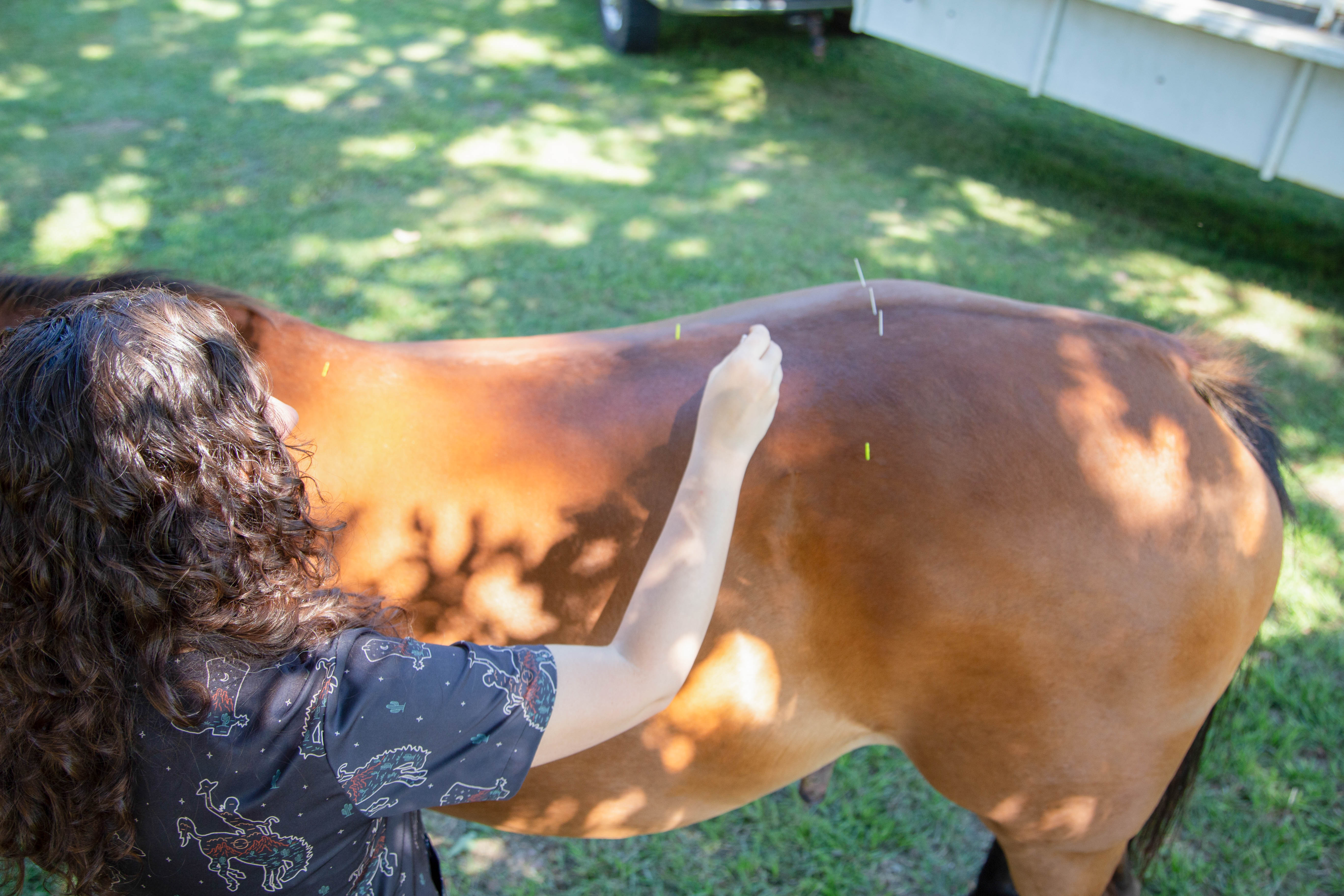
Integrative modalities such as acupuncture and chiropractic care are available for livestock, horses, and working dogs. Acupuncture can help manage chronic pain, enhance mobility, and support immune function, while chiropractic adjustments address spinal misalignments that may limit performance or contribute to lameness. For animals recovering from injury, Dr. Crews can incorporate techniques like shockwave therapy or laser therapy into the treatment plan.
Our herd management services include vaccine protocols tailored to the specific disease challenges of southwest Texas, biosecurity planning, and strategic deworming schedules based on fecal testing. We also advise on pasture rotation, mineral supplementation, and environmental management to reduce disease risk and promote optimal growth. For those with working farm dogs, soundness evaluations and preventive care help keep these valuable partners at peak performance.
Because every operation is unique, our veterinarians take time to discuss your goals and concerns, creating an individualized care plan that fits your schedule and management style. Whether you need a single herd health check or ongoing support throughout the season, Dr. Crews ensures that your animals receive the attention they deserve without ever leaving the farm.
Steps Producers Can Take for Spring Herd Health
Preventing spring herd health problems begins with good management practices at the farm level. Ensuring clean, dry bedding in calving and lambing areas reduces the risk of infections. Providing a gradual transition from stored feeds to fresh pasture helps prevent digestive upsets. Monitoring animals closely during the first weeks of turnout allows you to catch lameness, bloat, or respiratory issues before they escalate.
Strategic parasite control is essential in the spring. Conducting fecal egg counts to assess worm burden, rotating pastures to break parasite cycles, and using targeted deworming protocols help keep parasite pressure low. Maintaining up-to-date vaccinations, as advised by Dr. Crews, protects against common regional diseases such as blackleg, leptospirosis, and respiratory viruses. If you are unsure about the best approach, our vaccination services for livestock can be tailored to fit your herd's needs.
Producers should also pay attention to hoof health by trimming overgrown hooves and checking for early signs of lameness or footrot. For breeding animals, keeping accurate records of heat cycles, pregnancy status, and calving intervals is crucial for managing reproductive efficiency. Working animals benefit from regular soundness checks and adjustments to their workload as temperatures rise.
Finally, maintaining a clean water supply and ensuring adequate mineral supplementation support overall herd health during the rapid growth of spring. By combining good management with regular veterinary oversight, producers can set their animals up for a successful and profitable season.
When to Contact Dr. Crews
While many spring herd health measures can be managed on the farm, there are times when professional veterinary care is absolutely necessary. You should reach out to Dr. Crews if you notice sudden illness in multiple animals, unexplained deaths, severe lameness, difficulty calving or lambing, or signs of systemic illness such as high fevers or persistent diarrhea. Delays in treatment can lead to rapid herd-wide spread of disease or more complicated cases that take longer to resolve.
If you are planning a breeding program, introducing new animals, or have concerns about vaccination status, a comprehensive herd check is recommended before the busy season gets underway. Farms with working dogs or companion animals that show signs of pain, reluctance to work, or changes in behavior should also schedule a mobile evaluation. Our veterinary professionals are equipped to address a wide range of concerns during on-farm visits, reducing the need for stressful transportation and improving outcomes for your animals.
Scheduling a spring herd health check with Full Quiver Integrative Veterinary Solutions ensures that your operation benefits from up-to-date veterinary expertise, practical solutions, and the convenience of care delivered right to your gate. By working together, we can keep your livestock, horses, and working animals healthy, productive, and ready for whatever the season brings.
The Value of Mobile Integrative Care for Your Operation
Producers in Santo, TX, Granbury TX, Fairfield/Mexia TX, Godley TX, Hico TX and surrounding communities appreciate the convenience, reduced stress, and comprehensive support that come from mobile veterinary services. By choosing Full Quiver Integrative Veterinary Solutions for your spring herd health needs, you benefit from advanced integrative care, a focus on preventive management, and Dr. Crews who understands the realities of farm life in southwest Texas.
Our on-farm service covers cattle, sheep, goats, horses, and working dogs, with individualized care plans designed to maximize health and productivity. Whether you manage a large cow-calf operation or a diverse mixed-animal farm, Dr. Crews stands ready to help you reach your goals with minimal disruption to your daily routine.
When searching for a "farm vet near me," it is important to look for Dr. Crews who not only travels to your location but also brings a broad range of expertise and a commitment to ongoing partnership. At Full Quiver Integrative Veterinary Solutions, our veterinarians are dedicated to supporting your operation's success throughout the year.
To schedule a spring herd checkup or learn more about integrative veterinary services for livestock and farm animals, contact Dr. Crews today at (417) 281-4406 or book online. Dr. Crews comes directly to your barn or pasture — no hauling required. Experience the difference of mobile, integrative care delivered right to your barn or pasture, and give your herd the best possible start to the spring season.
This blog is for informational purposes only and does not replace individualized veterinary advice. For specific concerns about your operation or animals, please consult with Dr. Crews.