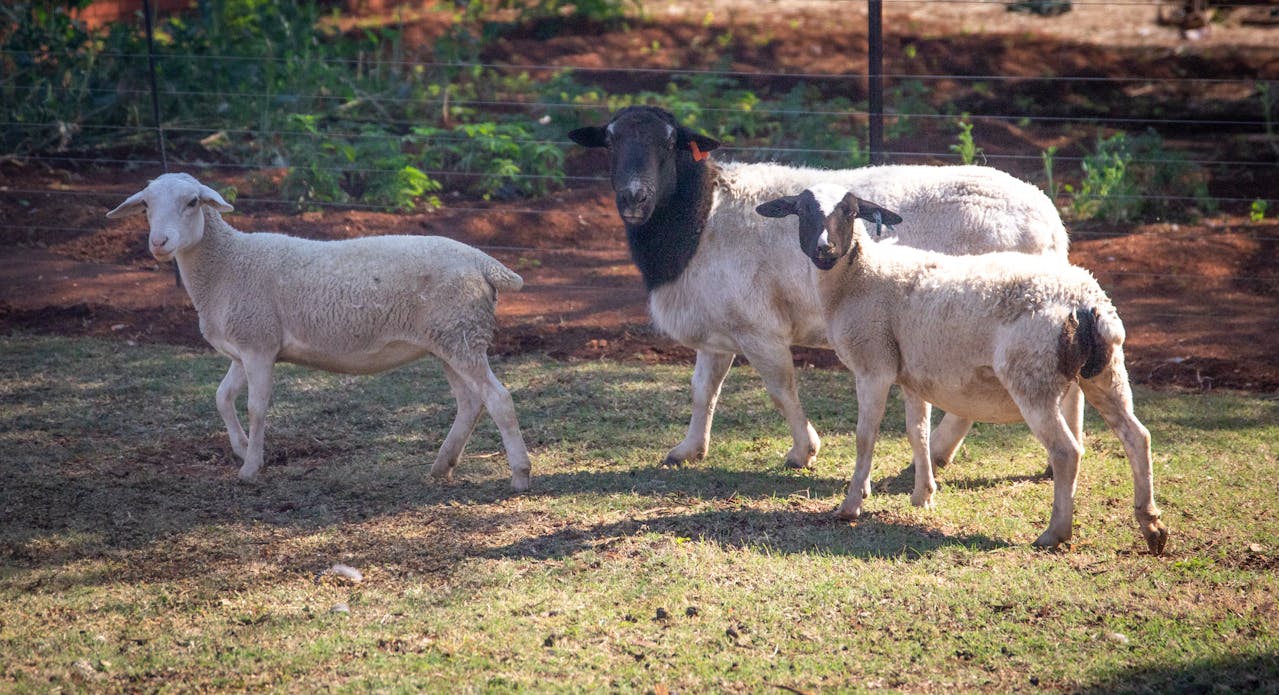
How Acupuncture Helps Cattle Thrive During Wet May Weather

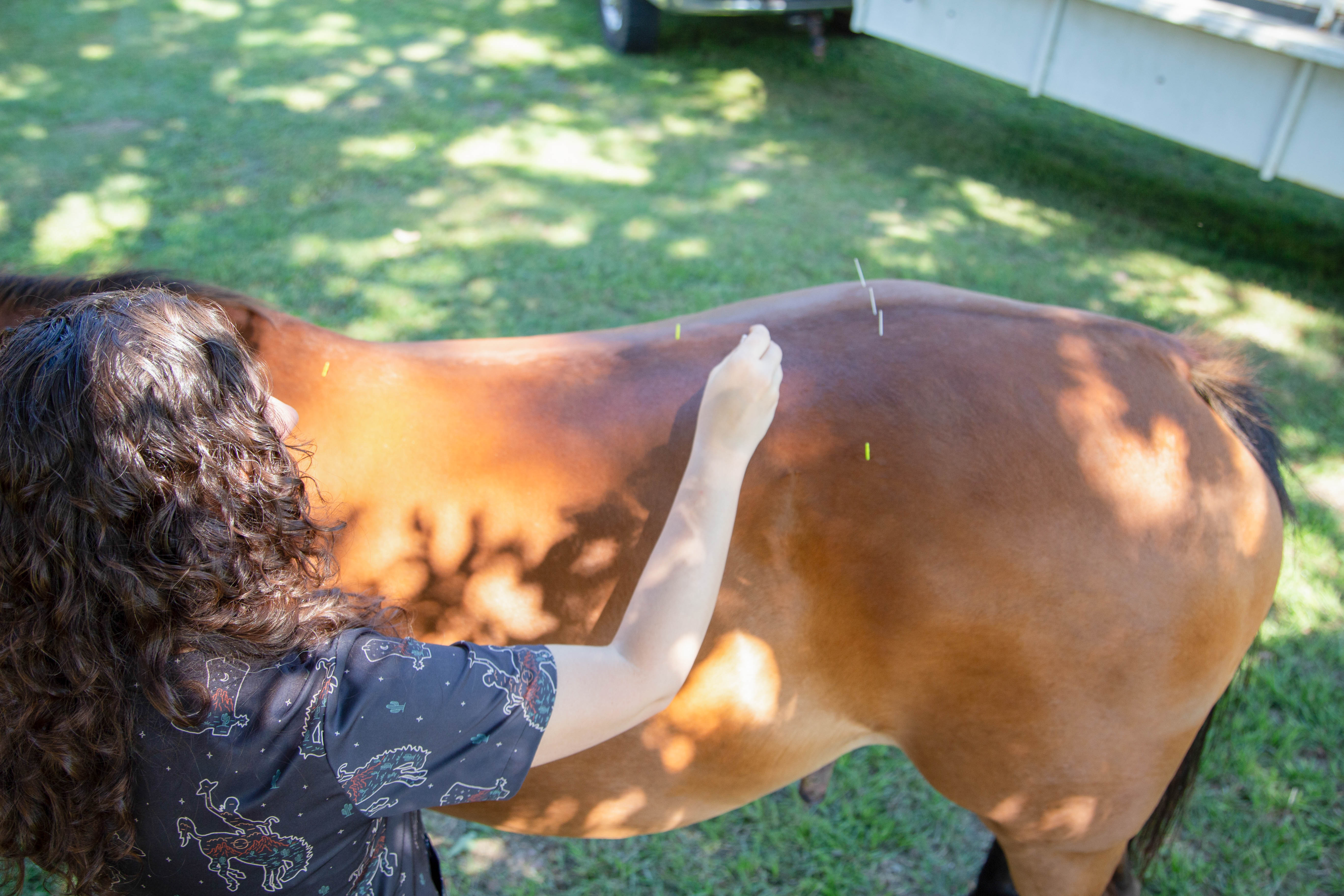
How Acupuncture Helps Cattle Thrive During Wet May Weather
When May rolls around in Texas, producers know that rain is almost a guarantee. While those showers bring lush pastures, they also create muddy, stressful conditions for cattle. Foot problems, stress-related illness, and decreased productivity can all become more common during this season. At Full Quiver Integrative Veterinary Solutions, our mobile team brings on-farm integrative care—including acupuncture—directly to your operation throughout Granby and surrounding communities. We understand the unique challenges wet weather presents for both your herd and your bottom line. In this blog, we’ll cover how acupuncture supports cattle during rainy Texas springs, what signs indicate your animals might benefit, and how our ambulatory services keep your operation running smoothly right where you need us.
Our veterinarians are committed to providing convenient, on-farm visits, so you never have to worry about hauling your cattle to a clinic. Whether it’s reducing lameness, supporting immune health, or helping your herd cope with seasonal stress, our approach is always tailored to the realities of local agriculture. If you’re looking for practical, holistic solutions to springtime cattle health, you’re in the right place.
Recognizing Weather-Related Stress and Illness in Cattle
May’s persistent rainfall can quickly transform pastures into muddy, hoof-challenging environments. For producers, recognizing the early signs of weather-related issues is essential to maintaining herd health and productivity. Symptoms of stress and illness in cattle during wet seasons often include increased lameness, visible discomfort while walking, reluctance to move, or swelling in the lower limbs. You may also notice decreased feed intake, reduced weight gain, or changes in behavior, such as cattle spending more time standing rather than lying down to ruminate.
In some cases, foot rot or soft tissue infections become more prevalent due to prolonged exposure to wet, muddy conditions. Other signs to watch for are increased coughing or respiratory effort, since damp weather can also exacerbate respiratory issues. When you see these changes, it’s a signal that your herd may be experiencing the effects of spring weather and could benefit from additional support.
Why Wet Weather Challenges Cattle Health
Texas’s May climate creates a set of circumstances that challenge even well-managed herds. Standing water and mud can break down hoof integrity, inviting problems like foot rot, sole ulcers, and digital dermatitis. As cattle navigate these conditions, the risk of slipping or sustaining soft tissue injuries rises, especially when moving animals through handling facilities or pastures.
Beyond hoof health, wet weather increases stress, which can suppress immune function and make cattle more susceptible to infectious diseases. Spring calving herds may face additional pressure, as young calves are vulnerable to hypothermia and scours in damp environments. For all classes of cattle, the combination of mud, fluctuating temperatures, and high humidity can reduce feed efficiency and slow weight gain. Each of these challenges has an impact on the economic performance of your operation, making prevention and early intervention crucial.
Integrative Solutions: How Acupuncture Supports Cattle in the Wet Season
Acupuncture has been gaining traction among progressive cattle producers as a tool to support herd health, especially during times of environmental stress. This integrative therapy involves the gentle placement of fine needles at specific points on the animal’s body to encourage natural healing responses and restore balance.
For cattle facing wet May weather, acupuncture offers several key benefits. It can help reduce inflammation and pain in the hooves and legs, making it especially valuable for animals prone to lameness or recovering from foot injuries. By promoting circulation and supporting the nervous system, acupuncture can also help cattle adapt to stress, which may enhance immune function and resilience during periods of environmental challenge.
Producers have reported improvements in mobility, appetite, and overall demeanor in animals receiving acupuncture. In cases of chronic lameness or slow recovery after wet weather injuries, acupuncture may complement conventional treatments, potentially reducing the need for medications and helping animals return to productivity sooner. Our veterinary professionals are trained in both Western medicine and integrative therapies, ensuring that each herd receives a customized plan that fits your operation’s needs. To explore how this works in practice, you can read more about acupuncture services for animals and herd health support.
What to Expect from On-Farm Acupuncture Visits
One of the advantages of working with a mobile veterinary practice like Full Quiver is our ability to provide care directly at your barn or pasture, minimizing stress on both cattle and producers. During an on-farm acupuncture visit, our ambulatory team will first perform a thorough evaluation of your animals, looking for signs of lameness, discomfort, or other health concerns. We will discuss your observations and concerns, then create a tailored treatment plan.
Acupuncture sessions for cattle are typically well-tolerated, with most animals remaining calm throughout the procedure. The process involves cleaning the treatment area, gently inserting sterile, single-use needles, and monitoring the animal’s response. Sessions may last anywhere from 15 to 45 minutes, depending on the number of points treated and the animal’s condition. In many cases, producers notice visible improvements in their cattle’s movement or attitude within a few days of treatment.
Our mobile approach means less handling stress, no need for trailering, and the flexibility to address health issues as soon as they arise. For more information on how our team brings advanced care to your operation, visit our page about mobile veterinary services for livestock and animals.
Integrative Management: Combining Acupuncture with Other Preventive Strategies
While acupuncture is a powerful tool for supporting cattle health, it works best as part of a comprehensive preventive program. Producers can take additional steps to protect their herd during wet, unpredictable Texas springs. These include ensuring well-drained areas in the pasture for cattle to rest, rotating pastures to prevent overuse and excessive mud, and providing regular hoof inspections to catch problems early.
Nutritional support is also key; offering balanced rations and mineral supplementation can help cattle maintain body condition and immune strength during stressful periods. For herds with a history of lameness or foot infections, routine footbaths or targeted use of topical treatments may be recommended. Our veterinary team can help design management plans that integrate acupuncture, chiropractic care, and other services to address the full scope of your operation’s needs. To learn about our complete slate of services, including reproductive work, dental care, and wellness exams for both livestock and horses, explore our integrative veterinary services.
When to Call for Veterinary Assistance
Producers are the first line of defense when it comes to spotting health issues in the herd. If you notice persistent lameness, severe swelling, wounds that are not healing, or cattle that refuse to rise or move, it’s time to consult with our veterinary professionals. Sudden drops in feed intake, unexplained weight loss, or worsening respiratory symptoms also warrant prompt attention.
Early intervention not only improves outcomes for the affected animal but can prevent the spread of infectious conditions within the herd. With Full Quiver’s mobile and ambulatory model, you can schedule a farm call at the first sign of trouble, reducing stress on your cattle and catching problems before they escalate. Our commitment is to provide timely, practical solutions that respect the realities of your operation.
Supporting Your Herd—And Your Operation—Through Texas’s Wet Spring
Spring weather in Texas brings both opportunity and challenge for local cattle producers. By recognizing the signs of weather-related stress and taking a proactive, integrative approach to herd health, you can safeguard both your animals and your livelihood. Acupuncture, when combined with sound management and veterinary support, helps cattle recover from lameness, adapt to environmental stress, and maintain productivity even during the wettest months.
At Full Quiver Integrative Veterinary Solutions, we are dedicated to providing on-farm, holistic care for livestock operations throughout Santo, TX, Granbury TX, Fairfield/Mexia TX, Godley TX, Hico TX and surrounding communities. When searching for a farm vet near me, trust our team to bring expertise, compassion, and advanced therapies directly to your gate. If you’re ready to discuss how acupuncture or other integrative services can help your herd weather the challenges of spring, reach out to our veterinary professionals today.
You can learn more about our on-farm acupuncture and integrative livestock care by visiting our acupuncture services page or calling (417) 281-4406 to schedule a visit. We look forward to helping your cattle thrive, rain or shine.
This blog is for informational purposes only and does not replace individualized veterinary care. Always contact your veterinarian for specific concerns about your herd.