How Mobile Vet Allergy Testing Helps Itchy Pets and Livestock


How Mobile Vet Allergy Testing Helps Itchy Pets and Livestock
Springtime in Santo, TX, Granbury TX, Fairfield/Mexia TX, Godley TX, Hico TX and the surrounding rural communities brings welcome warmth and green pastures, but for many animals, it also triggers itching, skin irritation, and discomfort. Whether you manage a herd of cattle, care for working dogs, or have house pets that are constantly scratching, allergies can affect animal health and productivity across your entire operation or household. Fortunately, Full Quiver Integrative Veterinary Solutions offers on-farm and at-home mobile veterinary allergy testing, making it easier than ever to get answers and relief for animals struggling with seasonal allergies. Our mobile veterinary team comes directly to your barn, pasture, or doorstep, providing convenient, stress-reducing care for livestock, horses, working dogs, and companion animals alike. In this blog, we will explore how mobile allergy testing works, signs of allergies in different species, and how our integrative approach supports lasting animal wellness across the spectrum of animals you care for in Granby and beyond.
If your cattle are rubbing against fence posts, your horse has hives, or your dog just will not stop licking their paws, you are not alone. This article explains how to spot allergy symptoms, why timely diagnosis matters, and how our mobile services can make managing allergies simpler and more effective for every animal on your property.
Recognizing Allergies in Pets, Livestock, and Horses
Allergy symptoms can manifest in many ways, depending on the species and the nature of the allergen. For producers, signs of allergies in livestock may include frequent rubbing, hair loss in patches, unexplained drops in milk production, red or inflamed skin, or even respiratory issues during peak pollen seasons. Among horses, you might see hives, persistent tail or mane rubbing, watery eyes, or coughing, especially when spring pastures emerge or dusty hay is fed. Working dogs and companion animals often show excessive scratching, licking at their feet, recurrent ear infections, or red, irritated skin, particularly during certain times of year.
Key symptoms across all species include persistent scratching or rubbing, hair loss, inflamed or thickened skin, runny eyes, sneezing, coughing, and recurring skin infections or sores that do not respond to routine care. In livestock, you may also notice animals separating from the herd, showing signs of restlessness, or experiencing reduced weight gain and feed efficiency. Horses may become irritable or less willing to work, while dogs may develop hot spots or chronic ear problems.
If you notice these recurring problems as the seasons change, or after introducing new bedding, feed, or pasture, it could be a sign that allergies are impacting your animals’ comfort and overall health.
Common Causes of Allergies in Animals on the Farm and at Home
Allergies in animals arise from the immune system reacting to substances that should be harmless. These allergens can include pollens from local grasses and weeds, molds in hay or bedding, dust mites, certain feeds, insect bites, and even chemicals used for cleaning or pest control on the farm. For livestock and horses, spring and fall are often peak times for allergy flare-ups due to increased pollen counts and changing environmental conditions in barns and pastures.
In cattle and sheep, environmental allergens commonly trigger skin irritation or respiratory issues, while goats may react to certain feeds or bedding materials. Horses are especially sensitive to biting insects like midges, which can cause sweet itch, as well as molds and dust in hay. Working dogs and companion pets may experience food allergies, reactions to household cleaners, or sensitivity to pollen and molds tracked indoors or encountered during time spent outside.
Genetics can also play a role, with some breeds or bloodlines more prone to developing allergies. Additionally, factors such as stress, changes in management routines, or recent moves between farms can weaken the immune system, making animals more susceptible. Recognizing these risk factors can help you work with your veterinary team to minimize exposure and develop a targeted allergy management plan.
How Mobile Allergy Testing Works for Animals in Santo, TX, Granbury TX, Fairfield/Mexia TX, Godley TX, Hico TX
Mobile veterinary allergy testing brings advanced diagnostics directly to your operation, barn, or home, eliminating the need to transport animals that may already be stressed or uncomfortable. At Full Quiver Integrative Veterinary Solutions, our veterinary professionals use a combination of history-taking, thorough physical examinations, and on-site sample collection to pinpoint allergy triggers in pets, horses, and livestock.
The process typically begins with a detailed discussion about when symptoms occur, recent changes to the environment, feed, or bedding, and any previous treatments or outcomes. Our team may then recommend diagnostic options such as intradermal skin testing, blood testing for allergen-specific antibodies, or even food elimination trials, depending on the species and suspected cause. For horses and livestock, on-farm testing means animals remain in their familiar environment, which helps reduce handling stress and allows us to observe their natural behaviors.
Once results are available, our veterinarians help interpret the findings and develop a customized management plan. This may involve adjusting pasture grazing times for horses, modifying feed for livestock, or identifying environmental changes that benefit both working dogs and household pets. We also work closely with you to ensure all recommendations are practical and achievable within the unique setting of your operation or home. You can learn more about our approach to allergy testing for pets and livestock on our website.
Integrative Treatment Options for Managing Animal Allergies
Managing allergies effectively requires a multi-faceted approach, especially when dealing with multiple animal species on the same property. At Full Quiver Integrative Veterinary Solutions, our team combines the best of conventional medicine with integrative therapies to provide comprehensive relief and long-term control.
Treatment options may include prescription medications such as antihistamines or corticosteroids for severe flare-ups, topical therapies like medicated shampoos or sprays, and immunotherapy (allergy shots or drops) when specific allergens are identified. For horses and livestock, strategic parasite control and fly management can help minimize allergic reactions to biting insects, while dust suppression and proper ventilation reduce respiratory irritants in barns and feed storage areas.
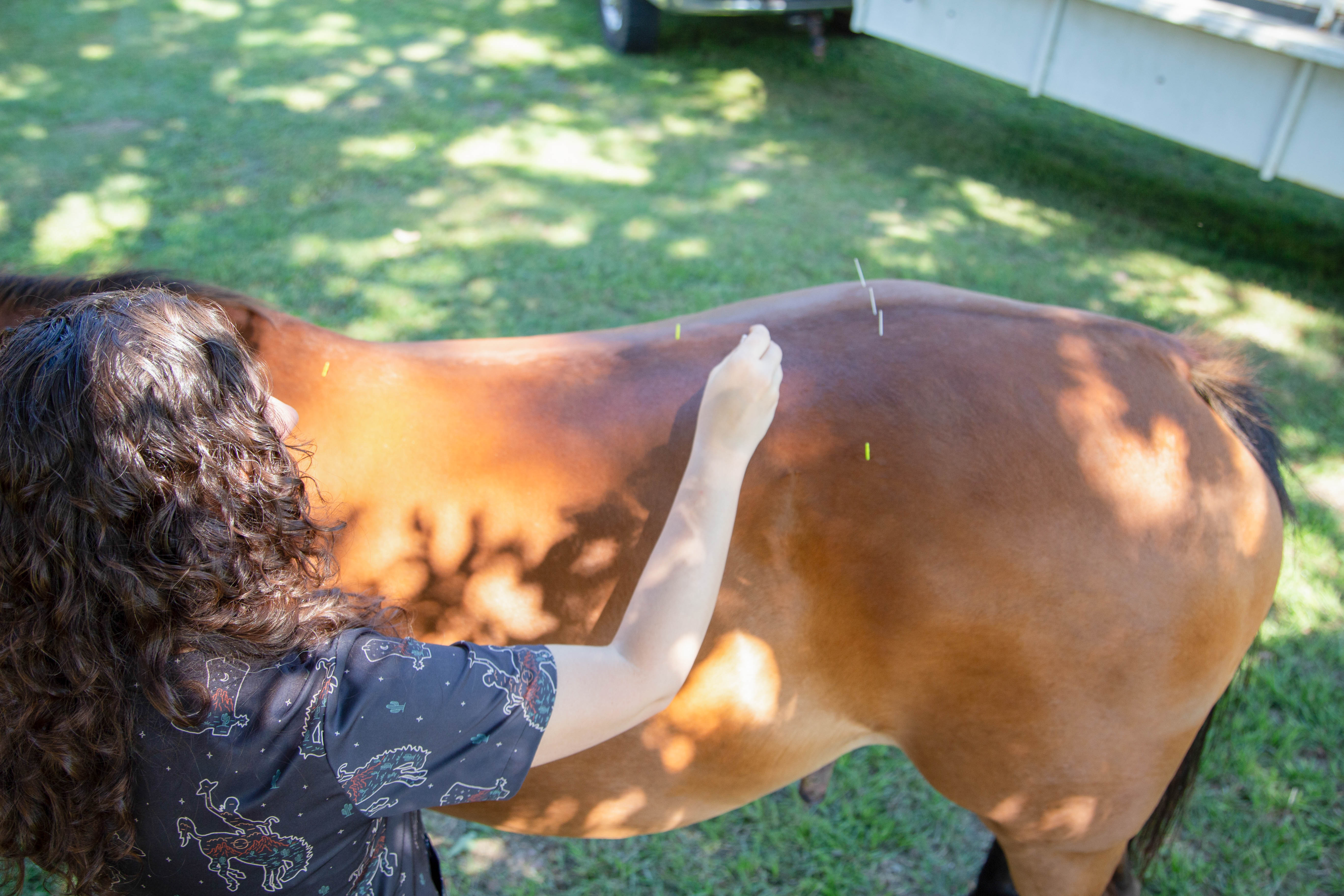
Our veterinarians may also recommend integrative therapies such as acupuncture or chiropractic care, which can support immune system balance and provide additional comfort for allergic animals. Nutrition plays a key role as well; high-quality, species-appropriate diets and targeted supplements can help strengthen skin barriers and reduce inflammation. For working dogs and pets, hypoallergenic diets or limited-ingredient foods may be part of the solution, while livestock may benefit from feed changes or mineral supplementation tailored to their specific needs.
To address allergy-related skin concerns, our practice offers advanced dermatology services designed for both pets and livestock. These services help identify underlying skin issues, manage chronic infections, and promote faster healing in animals affected by scratching, hair loss, or sores.
Preventing Allergy Flares at Home, in the Barn, and on the Farm
Proactive management is key to preventing recurrent allergy problems for all animals under your care. For livestock and horses, keeping pastures free of high-pollen weeds, rotating grazing areas, and regularly cleaning barns and water troughs can help reduce exposure to common allergens. Ensuring proper drainage in corrals and paddocks minimizes mold growth and fly breeding sites, while dust-free bedding options can make a significant difference in respiratory health.
For working dogs and companion animals, frequent bathing with veterinarian-recommended shampoos, wiping paws after outdoor activities, and using air purifiers indoors can reduce allergen buildup. Washing bedding regularly and vacuuming living spaces further limits allergen exposure. When food allergies are suspected, introducing new diets gradually and monitoring for improvements in skin and digestive health is important.
Across all species, regular veterinary checkups allow for early detection of allergy symptoms and timely adjustments to management practices. Our general health exams and preventative care services help keep your animals healthy year-round, reducing the risk of allergy-related complications.
When to Call for Professional Veterinary Allergy Care
While mild, occasional itching may resolve with simple management changes, persistent or severe allergy symptoms always warrant a call to your veterinary team. Producers should seek professional help if livestock experience unexplained weight loss, skin lesions that do not heal, or respiratory distress. Horse owners should contact a veterinarian if hives, coughing, or persistent rubbing interfere with the horse’s performance or comfort. For working dogs and household pets, chronic ear infections, hot spots, hair loss, or changes in behavior due to discomfort are clear signals that veterinary care is needed.
Mobile veterinary care provides a unique advantage for allergy diagnostics, as animals can be evaluated in their normal environment without the added stress of travel. Our ambulatory team at Full Quiver Integrative Veterinary Solutions serves Granby and surrounding communities, making it easy to schedule an on-farm or in-home visit that fits your daily routine and minimizes disruption for your animals.
If you are unsure whether an allergy test is needed, our veterinary professionals are always available to discuss your animal’s symptoms and recommend the next steps. Early intervention can prevent more serious health issues and improve the quality of life for every animal under your care.
Experience the Convenience of Mobile Allergy Testing with Full Quiver Integrative Veterinary Solutions
Allergies are a common challenge for livestock producers, horse owners, and families with working or companion animals in Santo, TX, Granbury TX, Fairfield/Mexia TX, Godley TX, Hico TX and nearby communities. With allergy season in full swing, now is the ideal time to take advantage of mobile veterinary care that brings expert diagnostics and integrative solutions right to your farm, barn, or home. Our team is dedicated to reducing animal stress, increasing convenience, and helping you manage allergies efficiently, no matter how many species you care for.
When searching for a farm vet near me, consider the benefits of on-site allergy testing and integrative management from a veterinary team that understands the unique needs of both your operation and your household. To schedule a mobile allergy assessment or learn more about our mobile veterinary services, call Full Quiver Integrative Veterinary Solutions at (417) 281-4406. Dr. Crews is here to help you achieve healthier, more comfortable animals—on the farm or at your doorstep.
For further details on our approach to allergy management and how we can support your animals through every season, explore our allergy testing services online. Your animals’ comfort and wellbeing are always our top priority.